
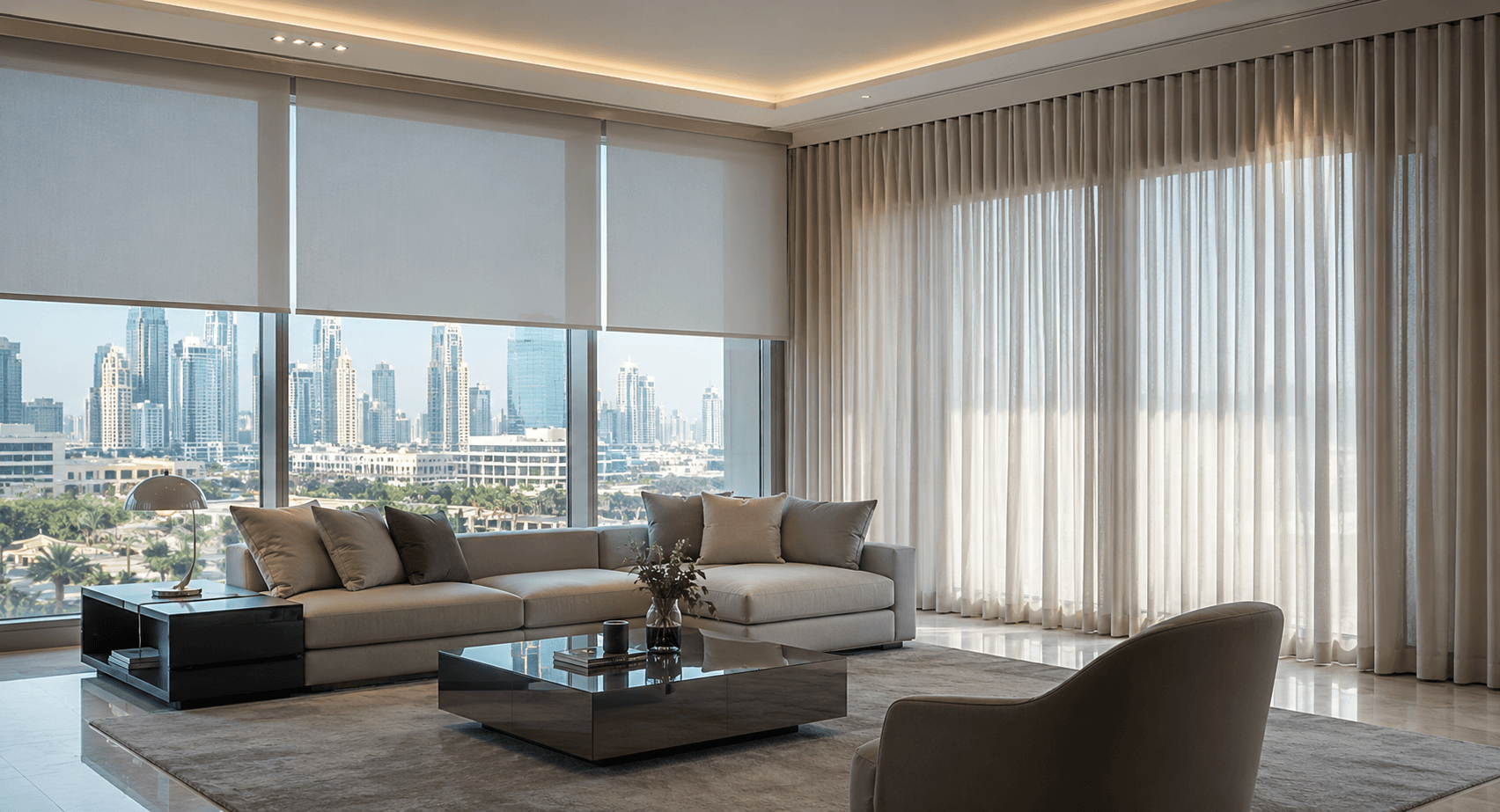
Motorized curtains for smart homes are no longer considered a luxury add-on but a practical upgrade that improves daily living by automating one of the most frequently used elements in any interior space—window coverings. Instead of manually opening and closing curtains throughout the day, motorized systems allow users to control light, privacy, and ambiance through remote control, mobile apps, voice assistants, or scheduled automation. This creates a smoother and more efficient living experience while also giving interiors a cleaner and more modern appearance, especially in homes that already use smart lighting, climate control, or security systems.
Why Motorized Curtains Make Sense in Smart Living Spaces
The main reason motorized curtains fit naturally into smart homes is their ability to reduce everyday friction and simplify routine actions that are usually repeated multiple times a day. Curtains are constantly adjusted based on sunlight, privacy needs, and room usage, which makes them ideal candidates for automation. With motorization, curtains can open gradually in the morning, close during peak sunlight hours to reduce heat and glare, and shut automatically in the evening for privacy, all without manual effort. This level of control not only improves comfort but also enhances energy efficiency and supports a more responsive and intelligent living environment.
What Motorized Curtain Systems Actually Include
A complete motorized curtain system is more than just an electric motor attached to a track; it is a coordinated setup designed around window size, fabric weight, and user requirements. The system typically includes a motorized track, control unit, and compatible curtain heading such as wave, pleated, or layered designs that move smoothly and quietly along the rail. Depending on the setup, control options may include handheld remotes, smartphone applications, timers, or integration with smart home ecosystems such as voice assistants and automation platforms. Each component is selected based on how frequently the curtain will be used, the size of the window, and the desired level of convenience.
Types of Control Options in Motorized Curtains
| Control Type | Functionality | Best Use Case |
| Remote Control | Direct open/close operation | Simple daily use |
| Mobile App | Scheduling and remote access | Smart home integration |
| Voice Control | Hands-free operation | Connected ecosystems |
| Automation Scenes | Scheduled actions | Full smart home setups |
Each control option adds a different level of convenience, and many modern systems combine multiple methods to provide flexibility based on user preference and lifestyle.
Design Importance of Motorized Curtains in Interiors
Motorized curtains are not just a technological improvement; they also play a significant role in interior design by maintaining clean lines, consistent movement, and a clutter-free appearance. When properly designed, the curtain system blends seamlessly into the room architecture rather than appearing as an added mechanical feature. Wave curtains are often preferred in modern interiors because they create smooth, structured folds that look elegant in both open and closed positions. Sheer fabrics allow natural light diffusion while maintaining privacy, and blackout fabrics are ideal for spaces that require full light control, such as bedrooms or media rooms. In many cases, layering sheer and blackout curtains provides the most versatile solution, allowing the room to transition between soft daylight and complete darkness.
Where Motorized Curtains Work Best in Homes and Offices
Motorized curtains are especially effective in spaces where lighting conditions change throughout the day or where manual operation is inconvenient. Bedrooms benefit significantly because automated blackout control improves sleep quality while allowing gradual morning light transitions. Living rooms with large windows or glass walls also gain value from motorization, as light control and privacy can be adjusted without interrupting daily activities. In office environments, motorized curtains reduce screen glare and improve working comfort, especially during meetings or presentations. They are also ideal for double-height spaces, stairwells, and oversized windows where manual access is difficult or impractical, making automation a functional necessity rather than a luxury feature.
Key Factors to Consider Before Choosing Motorized Curtains
Power System Options: Motorized curtain systems can be either hardwired or battery-operated, and the choice depends on installation conditions and project stage. Hardwired systems are typically used in new constructions or major renovations because wiring can be hidden within walls or ceilings, resulting in a cleaner finish. Battery-operated systems are more suitable for existing homes where minimal disruption is preferred, although they require periodic charging or maintenance depending on usage.
Fabric Weight and Curtain Size: The weight and size of the curtain directly affect motor selection and system performance. Heavier blackout fabrics and wide window spans require stronger motors and reinforced tracks to ensure smooth and silent operation. Proper measurement and system matching are essential to prevent issues such as uneven movement, noise, or long-term mechanical strain.
Noise and Performance Quality: A high-quality motorized curtain system should operate quietly and smoothly, especially in bedrooms, living rooms, and office environments. Noise level is often an indicator of system quality and installation precision. Poorly installed or low-grade systems can create distraction and reduce the overall premium feel of the space.
Installation and Why It Defines System Performance
Professional installation is one of the most critical aspects of motorized curtain systems because even the highest-quality materials can underperform if not installed correctly. Accurate measurement ensures proper track alignment, smooth movement, and balanced fabric stacking. Installation also involves securing brackets, calibrating motor settings, and testing movement cycles to ensure long-term reliability. When consultation, measurement, manufacturing, and installation are handled as a unified process, the result is significantly more consistent and visually refined compared to disconnected supplier setups.
Benefits of Motorized Curtains in Smart Homes
Enhanced Convenience: Motorized curtains eliminate the need for manual operation, allowing users to control multiple windows simultaneously or automate them based on time, sunlight, or activity.
Improved Energy Efficiency: By managing sunlight exposure, motorized curtains help reduce indoor heat gain and lower cooling demands, especially in sun-exposed rooms.
Better Privacy and Security: Automated scheduling allows curtains to close at specific times, improving privacy and giving the impression of occupancy even when the home is empty.
Modern Interior Aesthetic: The absence of cords and manual mechanisms contributes to a cleaner, more minimal interior design that aligns with contemporary smart home aesthetics.
Are Motorized Curtains Worth It?
Motorized curtains are most valuable when used in primary living spaces, large windows, and smart-enabled homes where convenience and automation are already part of the lifestyle. In such cases, the system enhances daily comfort, improves functionality, and integrates seamlessly with other smart devices. However, for smaller rooms or low-usage areas, manual curtains may still be sufficient depending on budget and requirements. The true value of motorized curtains lies in how well they match the user’s lifestyle and how frequently the space requires adjustment throughout the day.
Final Thoughts
Motorized curtains represent a significant step forward in modern interior design by combining technology, comfort, and aesthetics into a single solution that improves everyday living. When properly selected, customized, and installed, they become an integral part of the home rather than an external accessory. By offering seamless control over light, privacy, and ambiance, they elevate both functionality and design quality, making them a valuable addition to any modern smart home or professionally designed interior space.