
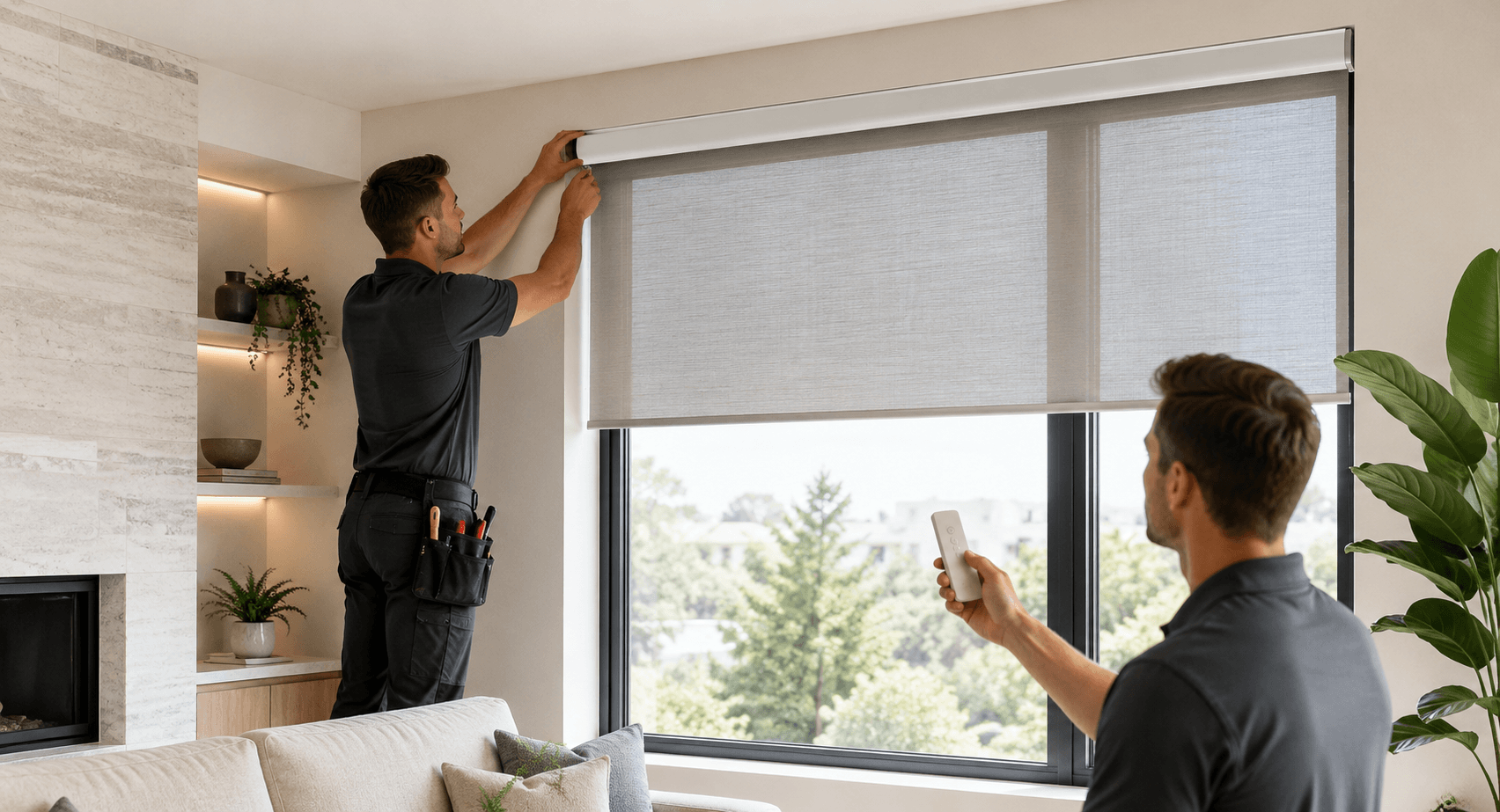
Motorized window treatments have transformed the way people manage light, privacy, and interior comfort in both residential and commercial spaces. Instead of manually adjusting curtains or blinds throughout the day, users can now control everything with a remote, wall switch, or smart home system. This shift is not only about convenience but also about creating cleaner interior aesthetics and improving daily living efficiency. As architecture moves toward larger glass panels and open layouts, automated solutions are becoming an essential part of modern interior design rather than an optional upgrade.
Understanding motorized window treatment systems
Motorized window treatments are curtains or blinds equipped with a built-in electric motor that allows automatic movement without manual effort. These systems can be integrated into roller blinds, zebra blinds, sunscreen blinds, blackout blinds, and full-length drapery setups. They are operated through remotes, mobile apps, or voice assistants, depending on the system configuration. The goal is to provide smooth, precise, and consistent control over natural light while removing cords and manual chains for a safer and more minimal design approach.
Why automated blinds and curtains are becoming essential
The growing popularity of motorized blinds and curtains is closely linked to modern lifestyle demands and architectural trends. Large windows, high-rise apartments, and luxury villas often make manual adjustment inconvenient or inconsistent. At the same time, people are prioritizing smart home integration and effortless comfort. Motorized systems solve these challenges by offering seamless control over brightness, privacy, and temperature regulation. They also ensure a uniform appearance across all windows, which significantly enhances interior visual harmony.
Key benefits of motorized window coverings
Motorized systems deliver both functional and aesthetic advantages that go beyond basic convenience. They improve energy efficiency by reducing heat gain during peak sunlight hours and help maintain indoor temperature balance. They also protect furniture, flooring, and interiors from harmful UV exposure. From a lifestyle perspective, they simplify daily routines by allowing scheduled operation for morning light, evening privacy, or work-hour glare control. Additionally, they improve safety by eliminating cords, making them ideal for homes with children or pets. Overall, they provide a more refined and effortless living experience.
Where motorized systems deliver the most value
Not every window requires automation, but certain spaces benefit significantly from it. Large living rooms with floor-to-ceiling glass are ideal because frequent adjustments are needed throughout the day. Bedrooms benefit from blackout automation that supports better sleep routines and morning convenience. Double-height windows, staircases, and hard-to-reach installations are also perfect candidates due to accessibility challenges. In commercial spaces, automated sunscreen blinds help reduce screen glare and maintain a professional, consistent appearance throughout working hours.
Motorized curtains versus motorized blinds comparison
| Feature | Motorized Curtains | Motorized Blinds |
|---|---|---|
| Design style | Soft, elegant, fabric-rich | Clean, minimal, structured |
| Ideal spaces | Bedrooms, lounges, luxury interiors | Offices, kitchens, modern apartments |
| Light control | Full blackout or layered control | Precise filtering and adjustment |
| Space usage | Requires side stacking space | Compact installation |
| Visual impact | Adds warmth and luxury feel | Enhances modern simplicity |
Both options serve different design goals, and the right choice depends on whether the space requires softness and depth or minimalism and precision. Many modern interiors even combine both for layered functionality and enhanced visual appeal.
Types of motorized window treatment systems available
Motorized window coverings come in several variations designed for different functional and aesthetic needs. Roller blinds are the most commonly used due to their simplicity and versatility in bedrooms, kitchens, and offices. Zebra blinds offer dual-layer fabric that allows adjustable privacy and light control. Sunscreen blinds are ideal for reducing glare while maintaining outdoor visibility, making them suitable for workspaces. On the curtain side, motorized drapery systems are preferred in premium interiors where full fabric flow and elegant movement are essential for design impact.
Important factors before choosing motorization
Selecting the right motorized system requires careful planning to ensure long-term performance. Window dimensions, fabric weight, and installation method directly affect motor efficiency. Power options should also be considered, with hardwired systems ideal for new constructions and rechargeable battery motors suitable for retrofit installations. Noise level is another important factor, especially in bedrooms and quiet environments where smooth operation is essential. Proper measurement and professional installation are critical to avoid issues such as uneven movement, light leakage, or motor strain over time.
Smart home integration and modern control options
One of the strongest advantages of motorized window treatments is their compatibility with smart home systems. Users can automate blinds to open at sunrise, close during peak sunlight hours, or adjust based on room usage. Control options include mobile apps, voice assistants, remotes, and wall switches, depending on preference. While advanced automation provides flexibility, the ideal system should match the user’s lifestyle rather than overcomplicate daily use. Simple and reliable control is often more valuable than excessive features that are rarely used.
Why professional measurement and installation matter
The performance of motorized blinds and curtains depends heavily on accurate measurement and expert installation. Even small errors in alignment can lead to light gaps, uneven movement, or reduced motor efficiency. Professional consultation ensures that fabric selection, motor capacity, and mounting position are optimized for the specific window structure. Factors such as ceiling height, wall condition, and furniture placement are carefully considered to achieve a seamless and polished finish that blends perfectly with the interior design.
Cost vs value of motorized window treatments
The investment in motorized systems varies depending on fabric type, motor quality, window size, and control features. While the initial cost is higher than manual options, the long-term value comes from convenience, durability, and improved energy efficiency. In high-use areas such as living rooms and bedrooms, the daily benefits quickly justify the investment. In commercial spaces, improved productivity and reduced glare also contribute to long-term functional value. Choosing the right system ensures that cost aligns with real usage needs rather than unnecessary upgrades.
Are motorized window treatments worth it?
Motorized window treatments are worth the investment when chosen based on lifestyle, space requirements, and usage patterns. They offer a combination of convenience, safety, design enhancement, and smart control that traditional systems cannot match. They are especially valuable in modern homes with large glass areas, luxury interiors, and busy daily routines. However, the most effective approach is selective automation, focusing on key rooms where convenience and performance matter most. When properly designed and installed, motorized systems deliver a seamless experience that enhances both comfort and interior elegance.